Urgent Chimney Repair Seattle
For those seeking prompt and reliable chimney repair in Seattle, you must address warning signs like damaged brickwork, dampness issues, or poor smoke ventilation. Swift action helps avoid safety risks and expensive structural issues typical of Seattle's rainy conditions. Depend on qualified specialists for comprehensive evaluation, water infiltration checks, stonework restoration, and water resistance treatment—all following industry standards and safety protocols. Be preventive; regular inspections and timely maintenance protect your property's performance and structure. Discover important guidelines and expert guidance to safeguard your chimney next.
Core Concepts
Tell-Tale Signs of Chimney Damage
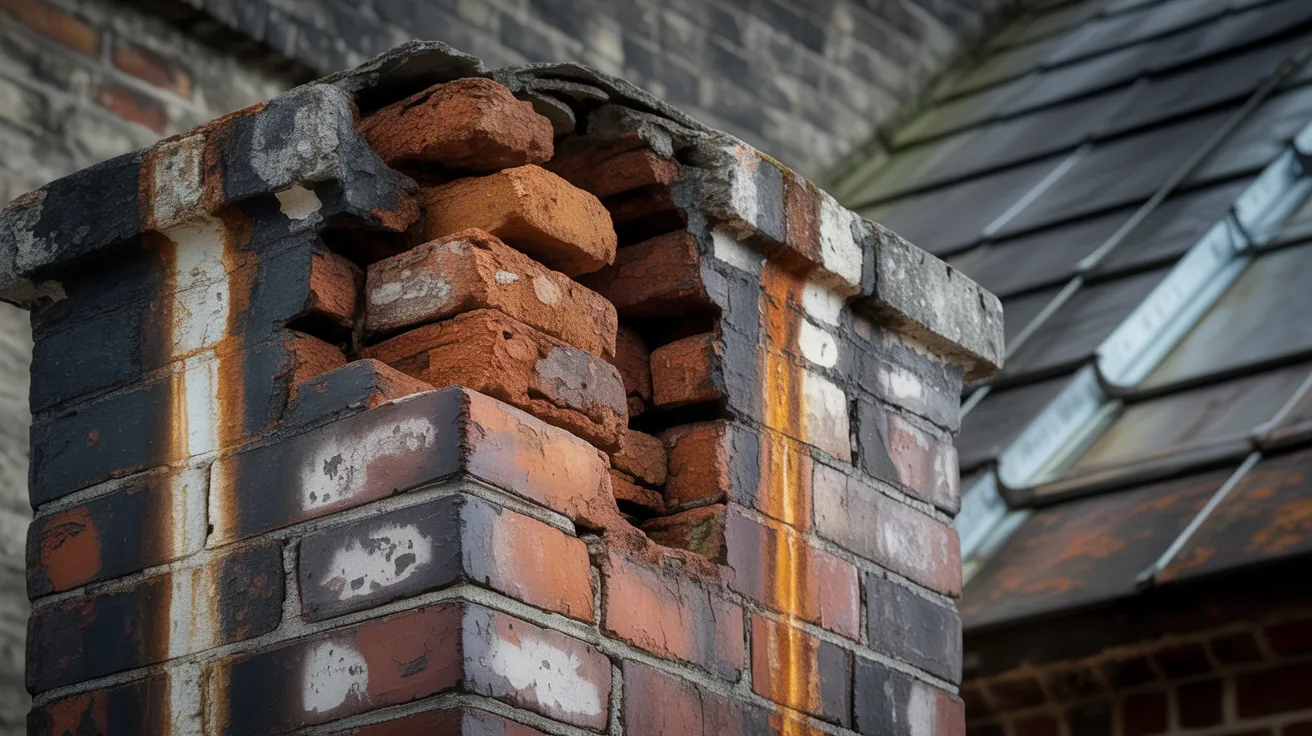
While your chimney might look sturdy from the outside, there may be warning signs revealing hidden issues affecting safety and performance. Watch carefully for smoke backing up into your living space, as this usually signals a blockage or damage within the chimney flue. Significant soot deposits along the flue walls or at the fireplace opening indicates inadequate draft and safety concerns. You might notice a strong, persistent odor—this usually suggests creosote or soot is building up, restricting proper ventilation. Damaged mortar joints, shifting bricks, or apparent cracks point to structural issues that may rapidly deteriorate without attention. By monitoring these indicators, you'll preserve your chimney's safety and lower the chance of safety issues. Arrange for a professional assessment as soon as problems appear.
Seattle Home Chimney Problems: What to Know
Seattle's damp climate frequently accelerates chimney wear and introduces distinct upkeep problems for homeowners. Dampness leads to brick spalling, mortar deterioration, and corrosion of metal components. Without consistent chimney maintenance, creosote and soot build up rapidly due to the region's frequent rainfall and cool temperatures, elevating the threat of obstruction and fire dangers. You may notice efflorescence—white staining—on your chimney, signaling water infiltration. Damaged or missing chimney caps let in precipitation and debris, further damaging structural integrity.
A thorough flue inspection is vital because persistent moisture encourages mold and weakens the flue liner, making it unsafe for venting exhaust and gases. Tackling these common issues with regular chimney cleaning and comprehensive flue inspection helps keep your Seattle home's chimney safe and efficient.
The Importance of Timely Chimney Repairs
Tackling chimney issues promptly helps you to avoid costly structural damage that could impact your home's integrity. You'll furthermore minimize fire risk by clearing hazards including creosote buildup along with masonry cracks. Prompt repairs ensure your chimney operates efficiently, boosting both indoor comfort and energy efficiency.
Safeguarding Your Structure's Integrity
When moisture penetrates into your chimney structure, it speeds up masonry damage, deteriorates the mortar, and compromises overall stability. If ignored, tiny fractures widen, allowing more water penetration and leading to costly repairs or even structural failure. Regular chimney cleaning allows you to identify these issues before they worsen, clearing away debris that can retain dampness on internal surfaces. Inspecting and maintaining your flue lining is essential, as damaged linings subject masonry to damaging compounds and more water damage. By taking prompt action, you stop freeze-thaw cycles from deteriorating masonry and joint deterioration. Addressing minor damage now prevents extensive rebuilding later. Schedule professional assessments to maintain your chimney's durability, safety, and performance for years. Immediate care protects your home's structure and security.
Lowering Fire Danger
If your chimney develops cracks, loose bricks, or deteriorating mortar, it may rapidly turn into a serious fire hazard. Compromised areas and weak points permit hazardous embers and heat to escape into surrounding combustible materials, increasing the danger of a house fire. To preserve optimal chimney safety, you require immediate fixes to address these problems and reestablish the chimney's integrity. Addressing damage immediately makes certain that combustible creosote won't build up in concealed areas, additionally lowering the chance of ignition. In addition, damaged chimney liners can permit toxic gases to seep into your home, increasing safety concerns. Don't postpone for simple problems to grow; quick, professional repair is essential for reliable fire protection and long-term peace of mind in your Seattle home.
Enhancing Home Efficiency
Although chimney deterioration usually looks minor initially, even small cracks or gaps can substantially compromise your home's energy efficiency. When your chimney develops problems, conditioned air escapes, forcing your heating or cooling system to use more energy. This not only elevates your monthly expenses but furthermore adds excessive strain on your climate control unit. Prompt chimney fixes, along with periodic chimney maintenance, ensures your fireplace functions at maximum performance and stops expensive energy loss.
Before proceeding with a fireplace installation, it's important to resolve current chimney problems. Deteriorating masonry or defective flue liners can significantly impact the performance of modern fireplaces, reducing their energy efficiency. When you repair your chimney in a timely manner, you'll ensure a comfortable indoor environment, achieve reduced utility bills, and ensure your home's systems function reliably and safely.
The Chimney Repair Process Explained
You'll start with a thorough assessment and inspection to detect structural problems or safety hazards in your chimney. When problems are discovered, you can select the best repair techniques, from masonry restoration to chimney liner installation. All work emphasizes both the security and stability of your home.
Inspection and Damage Assessment
The first step involves a complete inspection and damage assessment for a proper and reliable chimney repair process. A certified technician should examine your chimney from top to bottom, looking for wear and tear, cracks, and loose bricks. Particular attention is paid to chimney soot buildup, which can hide serious problems and create fire hazards. The technician will check investigating flue blockages, which may stop proper ventilation of dangerous fumes and impact your home's air quality. Utilizing advanced technology and cameras, they'll investigate hard-to-reach spots, searching for signs of water infiltration, corrosion, or pest infestations. Through detailed documentation of problem areas, you'll get detailed insight of what requires attention, ensuring all repairs fix underlying issues—not just surface symptoms.
Comprehensive Repair Methods Overview
After the inspection identifies particular problems, the repair procedure moves forward with focused fixes designed to bring back functionality and security. Technicians typically start with comprehensive soot clearance to remove harmful accumulation and improve airflow. If your chimney liner shows damage, they will suggest either relining or replacing it to stop dangerous gases from entering your home and to shield masonry from heat damage. Deteriorated masonry require tuckpointing or brick replacement to preserve the chimney's structural integrity. Moisture barriers can be used to stop future moisture damage. For major problems, complete or partial reconstruction might be needed. All repair procedures aims to address the root causes, ensuring your chimney stays safe, functional, and adherent to Seattle's building codes.
Chimney Leak Detection and Solutions
Even though chimney leaks often remain undetected until they create visible damage, early detection is vital for preventing costly structural problems and health concerns. Look for key signs such as water marks on walls or ceilings near your chimney, wet and moldy smells, and oxidized firebox parts. Professional chimney leak inspection involves a complete inspection of the cap, crown, and flashing to identify water entry locations. Specialists utilize specific tools to assess hidden leaks and structural vulnerabilities. Once detected, proven leak repair methods—like applying new flashing seals, replacing chimney caps, or using water sealants—can successfully resolve the issue. By fixing leaks immediately, you'll protect your home from mold development, compromised masonry, and continued water issues, maintaining lasting chimney performance and safety.
Masonry Repair and Brick Replacement
If you notice damaged or deteriorating masonry on your chimney, prompt masonry repair is essential to maintain structural integrity and stop dangerous situations. Damaged bricks and mortar joints allow moisture to infiltrate, resulting in swift degradation and risk of breakdown. It's important to have a professional expert to assess the extent of damage, verifying that the right masonry restoration techniques are used. During repair work, technicians systematically take out deteriorated units, find matching materials for your chimney, and utilize superior bonding materials for a perfect restoration. This thorough procedure not only improves visual appeal but also protects from further structural issues. Never ignore these problems—addressing masonry problems early will prolong chimney durability and maintain household safety from potential dangers.
Specialized Chimney Cap and Crown Maintenance
The chimney cap and crown serve as your chimney's essential defenses against water infiltration and animal entry, their condition directly impacts your home's safety and the chimney's lifespan. When the cap becomes missing, rusted, or damaged, water could penetrate down the flue, resulting in interior deterioration and possible mold issues. A well-fitted, properly fitted chimney cap also prevents wildlife, refuse, and rodents from blocking your venting system. The chimney crown safeguards the top of your masonry, protecting bricks and mortar from freeze-thaw cycles and erosion. Breaks or crumbling in the crown allow moisture to seep in, weakening structural integrity. Periodic examinations and prompt maintenance of both the chimney cap and chimney crown help maintain you maintain a safe, efficient, and durable chimney system.
Choosing the Ideal Chimney Repair Company
Choosing a professional chimney repair contractor requires thorough review of qualifications, safety practices, and technical expertise. You need to confirm that the company possesses proper licensing, insurance, and accreditations from established industry bodies. Inquire about their background with both chimney servicing and sophisticated venting solutions to verify they can address your system's particular needs. Professionals must follow current safety guidelines, utilize protective equipment, and maintain strict guidelines to avoid incidents or fire hazards. Examine their track record by investigating recommendations and reviewing customer reviews emphasizing reliability and expertise. It's also crucial to confirm that they employ industry-approved products and techniques for all work. By emphasizing these aspects, you'll guarantee your chimney repair project is executed properly, effectively, and to the premium technical requirements.
Preventative Maintenance Tips for Chimneys
Arrange periodic chimney inspections to discover potential safety and structural issues early on. Prevent creosote deposits by adhering to recommended cleaning intervals and burning only seasoned wood. It's also essential to apply appropriate waterproofing and sealing to protect your chimney from Seattle's regular precipitation.
Regular Chimney Inspections
While many property owners tend to ignore it, booking periodic chimney inspections is vital for maintaining a secure and effective fireplace system. You should have your chimney inspected annually by a certified professional who can detect damage, obstructions, or deterioration. Professional evaluations are essential in guaranteeing safe operation by revealing potential issues before they worsen. A complete inspection will further evaluate if chimney cleaning is necessary to clear debris or obstructions that could limit proper air circulation. Professional inspectors use professional instruments and video technology to evaluate the chimney structure and components, providing a detailed evaluation. By maintaining routine checkups, you'll safeguard your property against risks, extend the lifespan of your chimney, and keep your fireplace operating at peak efficiency.
Preventing Creosote Buildup
Several important preventative maintenance procedures can greatly reduce the risk of creosote buildup within your chimney. Make sure to burn seasoned hardwood, as it creates less smoke and minimizes residue. Confirm that your fireplace damper is wide open during operation to optimize airflow, which promotes efficient combustion and decreases creosote formation. Book professional chimney cleanings at least once a year—creosote removal by a certified technician is crucial to prevent dangerous accumulations. Inspect your firebox and flue periodically for early signs of buildup, such as dark, tar-like deposits. Resolve these swiftly to avoid a serious fire hazard. Refrain from overloading the firebox or burn unapproved materials, as both can accelerate creosote buildup. Maintaining these practices will help read more keep your chimney more effective and secure.
Waterproofing and Sealing
What makes water infiltration so dangerous for your chimney's stability? As moisture penetrates your masonry, it may lead to serious damage, crumbling bricks, and corroding metal parts. Moisture erodes mortar joints and creates an ideal environment for freeze-thaw damage, which compromises the entire structure. To protect against these damaging effects, focus on effective waterproofing and sealing solutions.
Start with a detailed inspection for openings or fissures that can enable water infiltration. Following this, perform a premium sealant treatment specially formulated for chimneys—avoid using ordinary water repellents, as they may trap moisture. Verify the sealant is breathable, allowing the chimney to "breathe" while stopping rain penetration. Regularly refresh sealant every few years to maintain maximum protection. This preventative step extends your chimney's life and maintains your home safe.
Booking Your Chimney Inspection and Maintenance
To prevent escalating damage and safety hazards, arrange for a qualified expert to inspect and repair your chimney. A professional technician will conduct a comprehensive assessment, identifying potential hazards such as flue complications or pressing maintenance needs. Make sure to address these important matters—soot buildup or clogs can create dangerous fire conditions or lead to harmful carbon monoxide infiltration in your residence.
Book your annual chimney maintenance, or following severe weather events, to verify your chimney's durability and performance. During the inspection, professionals use specialized tools to examine all chimney components, providing comprehensive advice for any needed repairs or cleaning. By taking preventive measures, you'll eliminate costly damage, preserve ideal air quality, and keep your heating system functions properly during the heating months.
Common Questions
What Are the Average Costs for Seattle Chimney Repairs?
While budgeting for chimney repair in Seattle, you should expect to pay between $300 for minor fixes to $3,000 or more for extensive repairs. You'll want to schedule a chimney inspection first—experts will spot potential problems and guarantee safety. Chimney cleaning usually ranges from $150–$350 and might expose maintenance requirements. Be sure to employ certified technicians; they'll utilize correct tools and approaches to keep your home safe and keep your chimney operating properly.
Are Permits Required for Seattle Chimney Repairs?
Think permits are just for massive buildings? Think again! In Seattle, it's required to have a permit for the majority of chimney repairs, especially those involving structural changes or masonry work. Standard chimney cleaning and chimney inspection must follow compliance with local codes to guarantee safety. Be sure to contact Seattle's Department of Construction and Inspections, because avoiding proper documentation may cause major issues, unsuccessful assessments, or hazardous conditions for your house and household.
Is Using Your Fireplace During Repairs Possible?
Refrain from using your fireplace when repairs are in progress. To ensure proper fireplace safety, make sure to wait until all repair work is finished and properly inspected. Using the fireplace during repairs can create risks of structural failures, toxic fumes, or fire risks. Stay in contact with your contractor concerning repair scheduling and ensure when it's safe to begin using again. Putting safety first ensures your fireplace to operate safely and efficiently and ensures the safety of your home and loved ones.
Is Chimney Repair Included in Homeowners Insurance Coverage?
View insurance coverage like a protective shield—it shields you from sudden storms, but not everyday wear and tear. Homeowners insurance might pay for chimney repair if the damage stems from a protected incident, including storm damage or fire. You won't be covered for problems due to lack of maintenance or wear and tear. To start the claim process, take detailed photos and notes and reach out to your insurance company immediately. Keep safety first by getting a certified professional evaluate your chimney's condition.
How Long Does a Standard Chimney Repair Take?
A normal chimney repair typically spans 1-3 days, based on the extent of damage found during your chimney inspection. When only minor masonry work is required, you'll experience shorter turnaround times. Complex repairs, like rebuilding sections, could increase the duration. You need to focus on safety by arranging a professional inspection initially, as this confirms all structural and ventilation issues are addressed thoroughly before any masonry restoration or other repairs begin.
Final Thoughts
Stop waiting until your living room resembles like something out of Seattle's own version of "Old Faithful"—with debris spewing from your ignored chimney. The indicators are clear, you know the risks, so pick up your phone rather than a mop. Focus on safety and efficiency by scheduling a professional inspection now. With skilled service and careful attention, you'll keep your home dry, your air clean, and prevent your chimney from becoming a safety hazard.